

At MCI Next, I worked on Zarebin, a modular in-app browser embedded in a product used by more than six million people.
The main challenge was building a reliable browsing experience while keeping the Android codebase maintainable and the release process predictable.
Building clear module boundaries
A modular structure helped separate browser capabilities, UI concerns, networking, monitoring, and product-specific integrations. This made changes easier to review and reduced the risk of unrelated features affecting one another.
Using Server-Driven UI
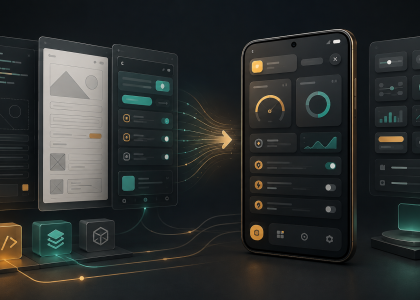
We used a Server-Driven UI approach based on JSON and Kotlin DSL. This reduced frontend release friction by roughly 30% by allowing some product presentation changes to be coordinated through server-defined content.
Server-driven systems still need strict validation, versioning, fallback behavior, and clear ownership. A malformed response should never leave the user with a broken screen.
Monitoring reliability
Layered architecture, Sentry, and Firebase monitoring helped the team track crashes and production behavior. The project reached approximately 99.47% crash-free sessions.
The broader lesson is that scale requires more than adding features. Clear boundaries, observable behavior, and predictable fallback paths are essential when an Android product serves millions of users.